TriLux
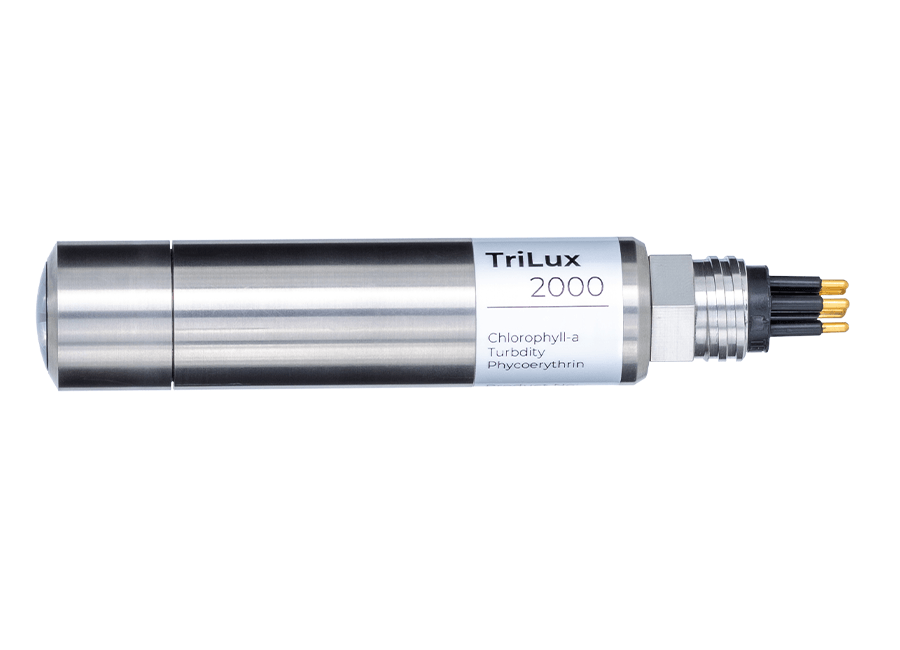
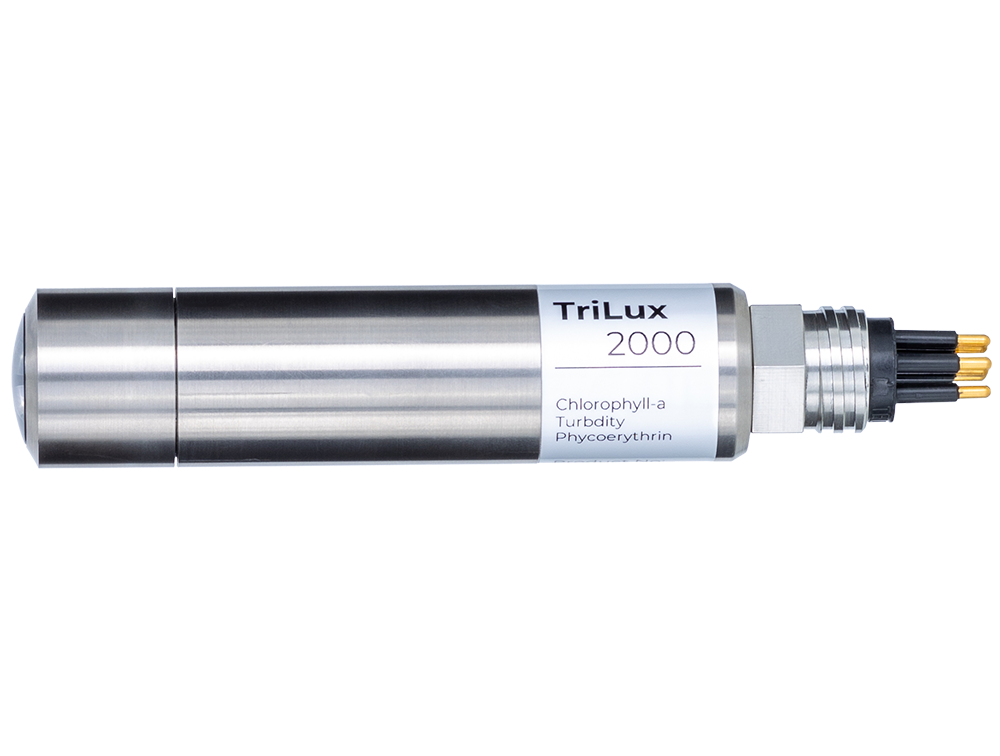
TriLux is a highly sensitive miniature chlorophyll sensor that delivers accurate results at low operational cost. Core fluorometer functionality provides the ability to select between chlorophyll, turbidity, and algal pigment measurement, through the following model options:
- Chlorophyll a, Phycocyanin, Phycoerythrin for coastal deployments
- Chlorophyll a, Phycocyanin, Turbidity for freshwater deployments
- Chlorophyll a, Phycoerythrin, Turbidity for marine deployments
TriLux is depth-rated to 2000m in fresh and salt water and has application across the blue economy and ocean science markets. Compact, intuitive and incorporating three sensors in one, TriLux delivers operational efficiency through reduced user-time, and power consumption, and ease of integration with existing system and platforms.
How it works
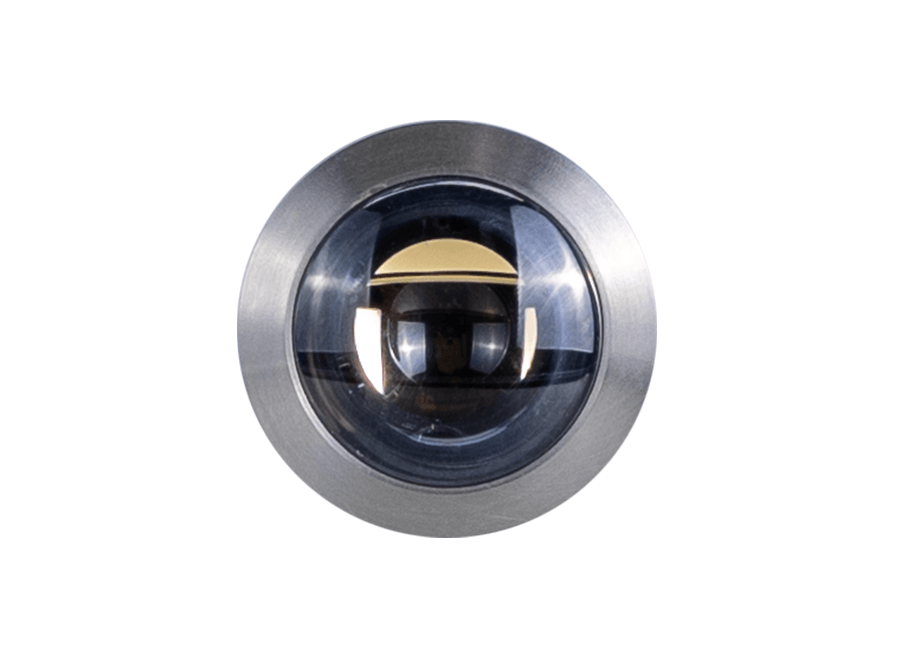
TriLux uses multiple excitation wavelengths to target different phytoplankton pigment groups. Energy absorbed is transferred to chlorophyll-a (algal pigment) generating fluorescence, which is detected and quantified at a single emission wavelength. Chlorophyll-a measurement is provided as standard with options for phycocyanin or phycoerythrin (cyanobacteria pigments), and/or turbidity. Serial data output it is fully compatible with Conductivity, Temperature, and Depth (CTD) tools, data buoys, monitoring stations, surface vehicles, Autonomous Underwater Vehicles (AUV), and Remotely Operated Vehicles (ROV).
Where it works
Accessible and accurate biological assessment of marine and freshwater environments is essential. TriLux has application for those responsible for monitoring, control and prevention of Harmful Algal Blooms (HAB), coastal zone monitoring, biological assessment in marine protected areas and in protecting water intakes to industrial infrastructure.
Three-in-one algae bloom detection
TriLux Features
Fewer ports and cables
You only use one bulkhead connector, one cable, and one data port on your data logger, CTD rosette, buoy, or autonomous vehicle.
Robust and compact
Measures just 26.5mm diameter and 140mm length.
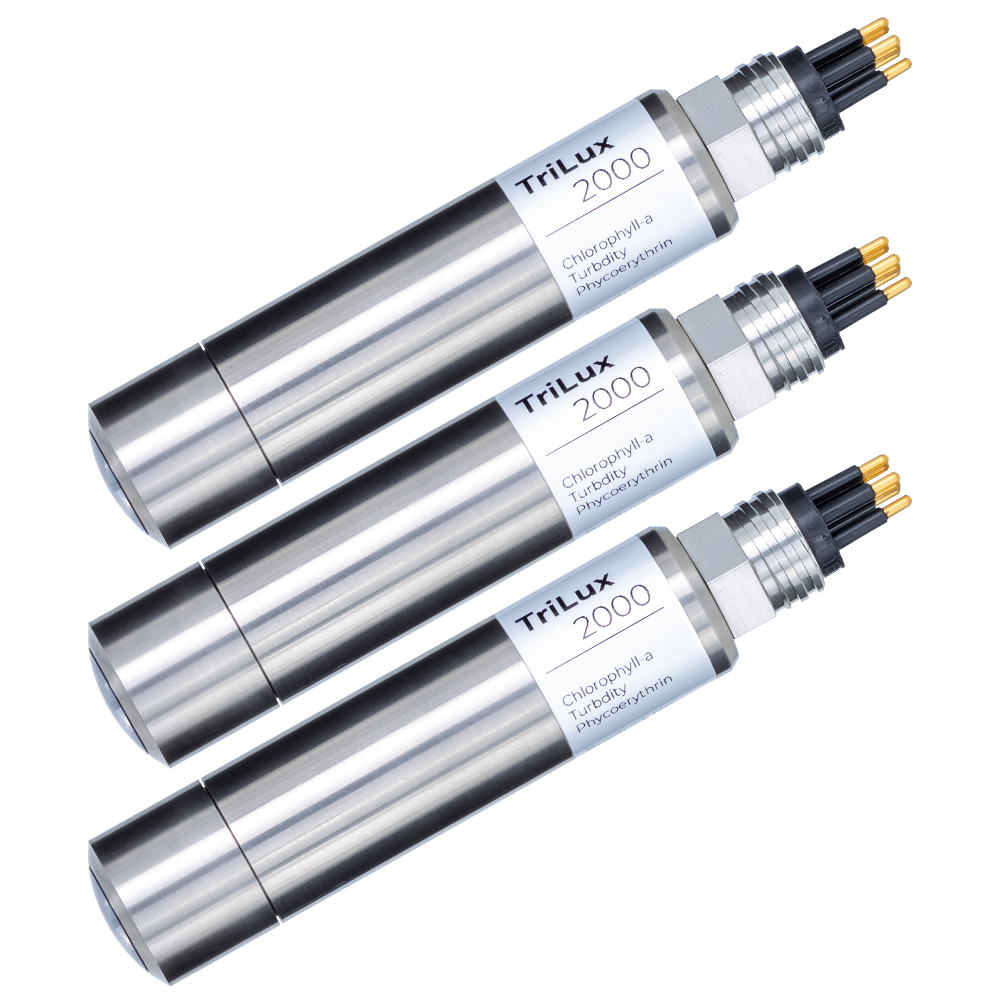
Three sensors in one
Monitors chlorophyll, turbidity and phycocyanin or phycoerythrin
Lower Spatial & Power Overhead
Draw minimal power while delivering a fully consolidated biological dataset