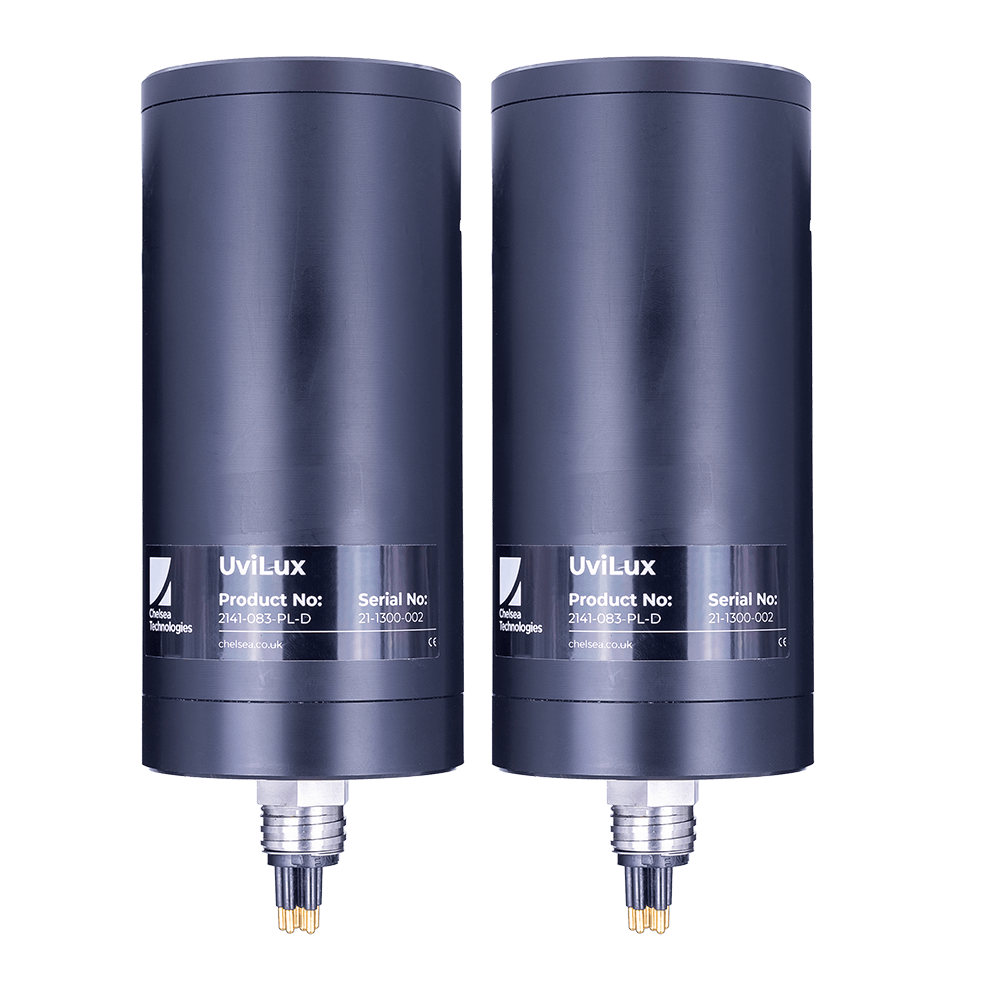
Ocean science
0
Unmatched resolution
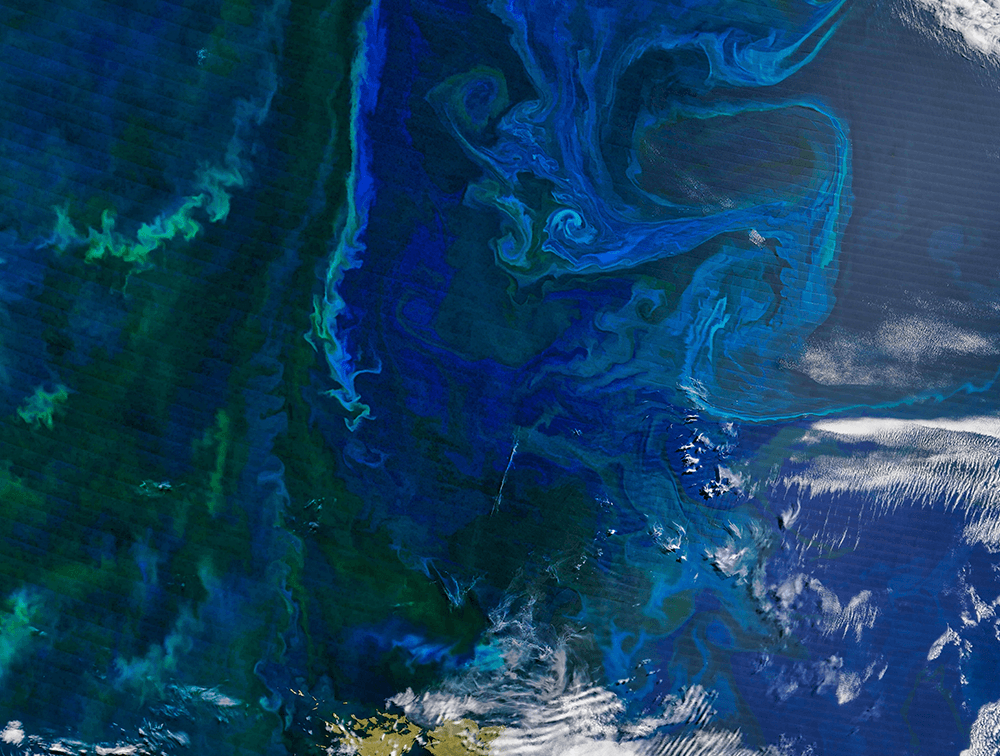
To reliably evaluate climate change impacts in oligotrophic “ocean deserts”—which make up nearly 40% of the Earth’s surface—sensors must be sensitive enough to detect minute biological signals. By narrowing excitation pulses to an ultra-sharp 100 microseconds, Chelsea’s active fluorometers achieve a 0.001 mg/m³ detection threshold, allowing researchers to track phytoplankton health and variable fluorescence in the most nutrient-depleted water columns on the planet.
0
LED excitation wavebands
Chelsea’s latest systems eliminate manual post-processing hurdle by utilizing 7 distinct LED excitation wavebands to build an automated Photochemical Excitation Profile (PEP). This delivers fully corrected, uncompromised physiological data directly from the field in real time.
0
More data points per day
Calculating net primary productivity requires manual, radioisotope-based Carbon-14 bottle incubations, restricting scientists to roughly one daily benchmark data point per cruise station. By leveraging Single Turnover Active Fluorometry (STAF) within systems like MicroSTAF, scientists can generate tens of thousands of data points per day to map biological carbon fixation at unprecedented spatial and temporal scales.
We're passionate about your industry
Ocean science
- Phytoplankton primary productivity
- Multi-spectral phytoplankton communities
- Hydrocarbon and CDOM tracing
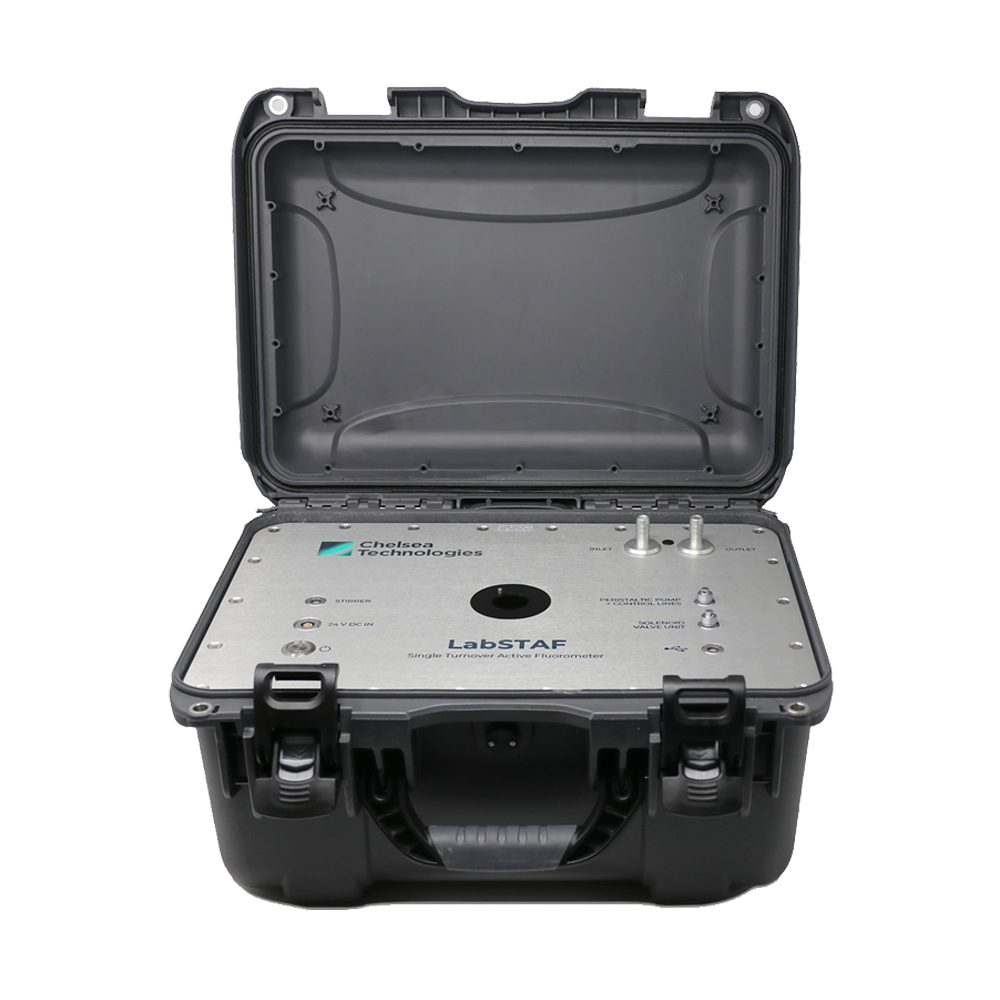
LabSTAF
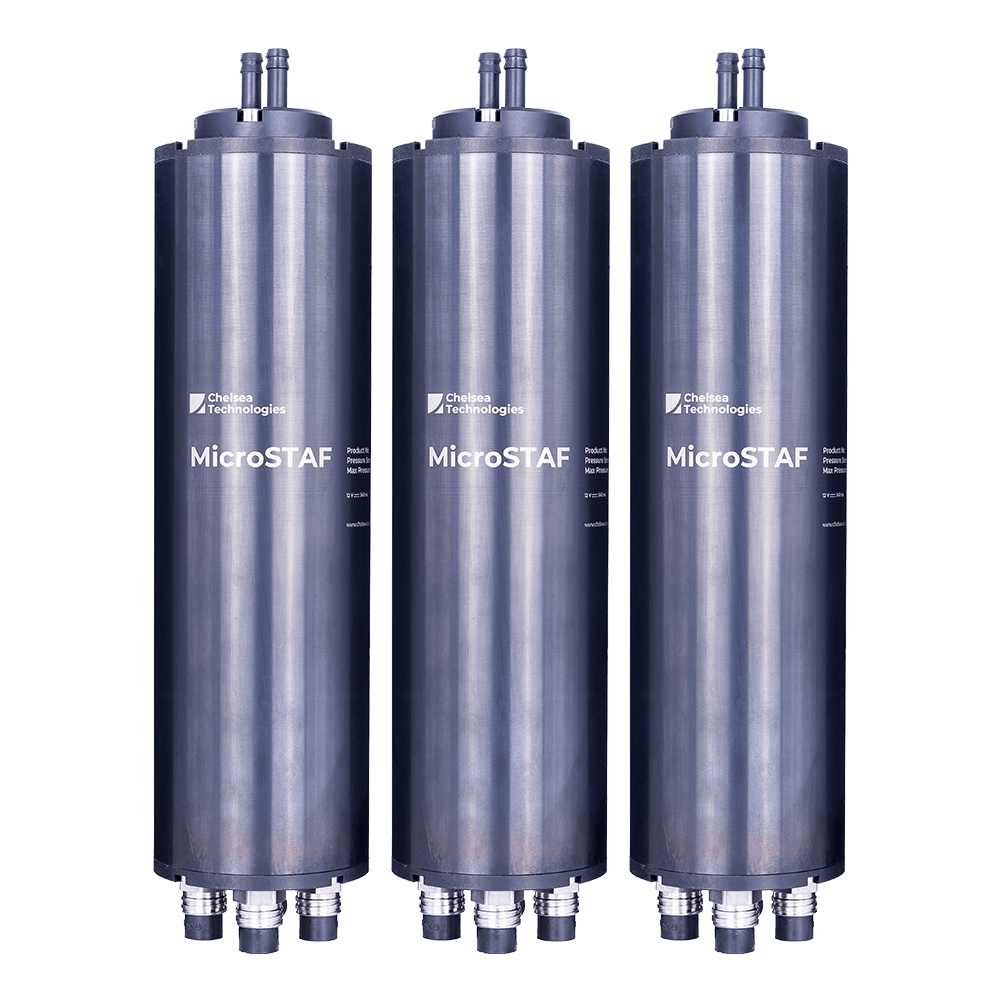
MicroSTAF
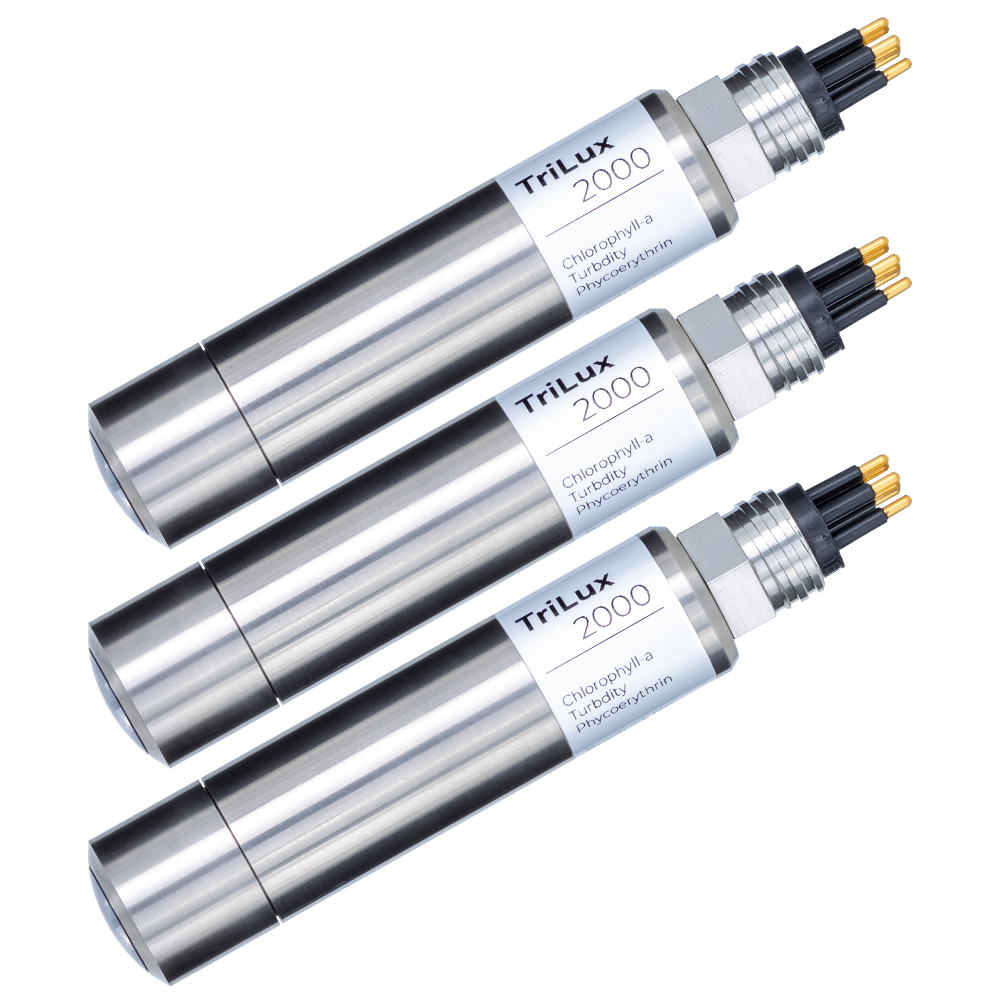
TriLux
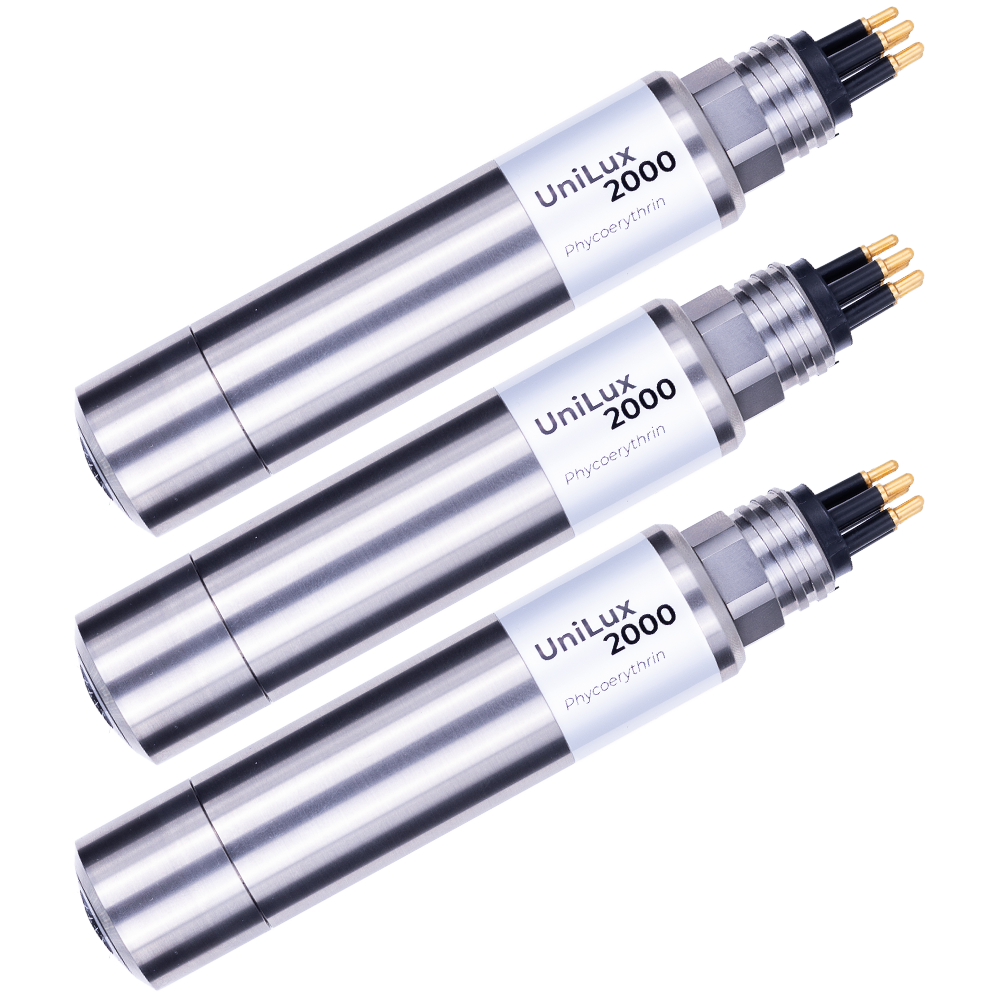
UniLux