Water Quality Monitoring
Operators face an increasing battle against unexpected, fast-moving pollution events—like toxic algal spikes, raw sewage breaches, or industrial chemical leaks—that easily slip past manual bottle sampling, leaving facilities blind to sudden compliance and safety risks..
0
µg/L
Sub-parts-per-billion detection limit
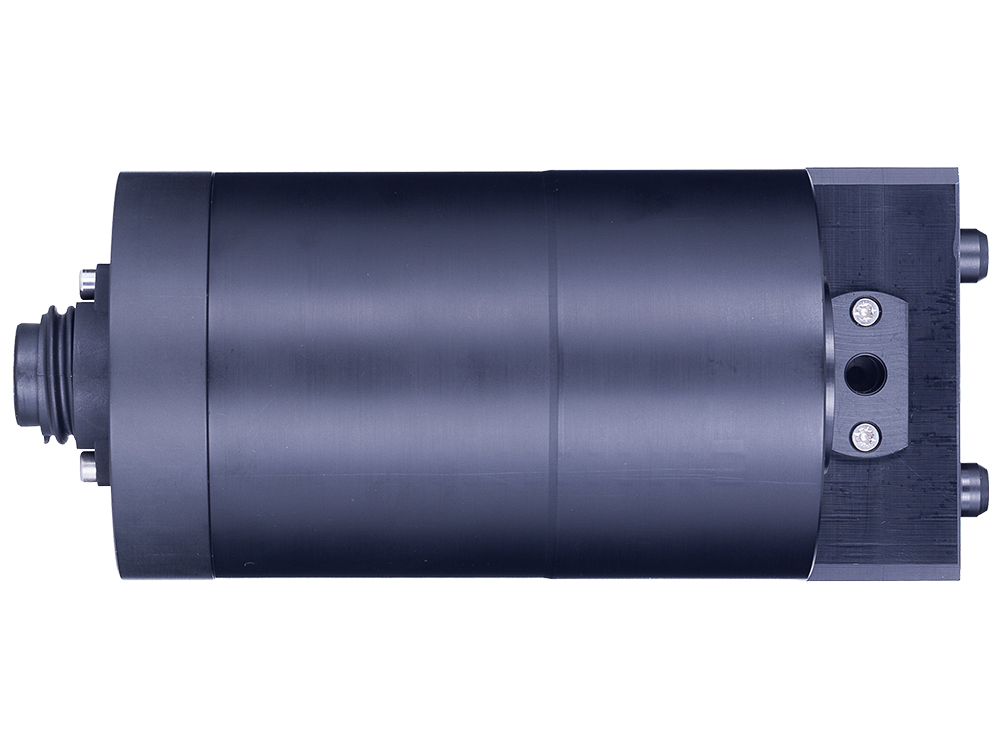
For deep-UV parameters like Tryptophan or hydrocarbons, Chelsea sensors detect biological and chemical contaminants at the sub-ppb level. Unlike competing products, this extreme sensitivity catches trace sewage ingress or industrial leaks without the need for dense concentrations to form.
0
%
Title
Because natural and industrial waters suffer from severe cloudiness, TriLux sensors feature integrated, ISO-compliant turbidity channels. By measuring light scatter in real time, the internal software mathematically strips out physical interference, maintaining an operational accuracy of 0.1% of the full scale even when the water is heavily loaded with suspended sediment or organic debris.
<
0
W
Sub-watt power consumption
Our sensors draw minimal power, allowing them to run continuously on remote, solar-powered telemetry buoys and automated intake stations without draining battery banks.
We're passionate about your industry
Water Quality Monitoring
- Municipal water treatment
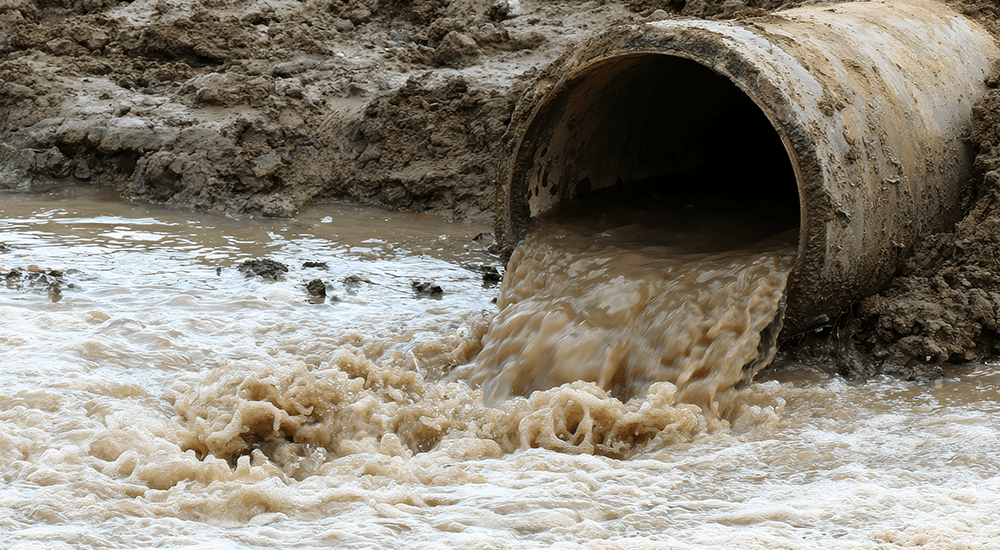
- Industrial effluent tracking
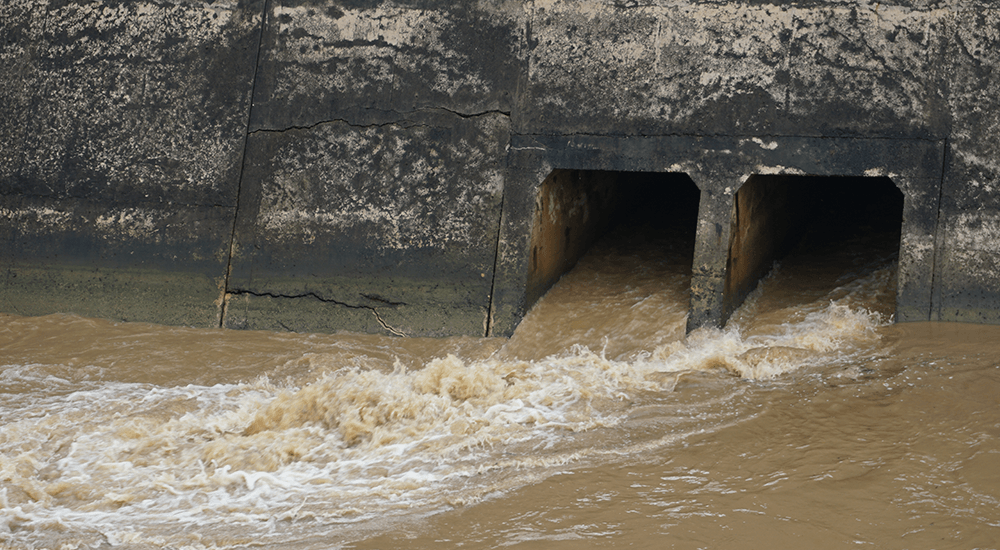
- Terrestrial infrastructure runoff
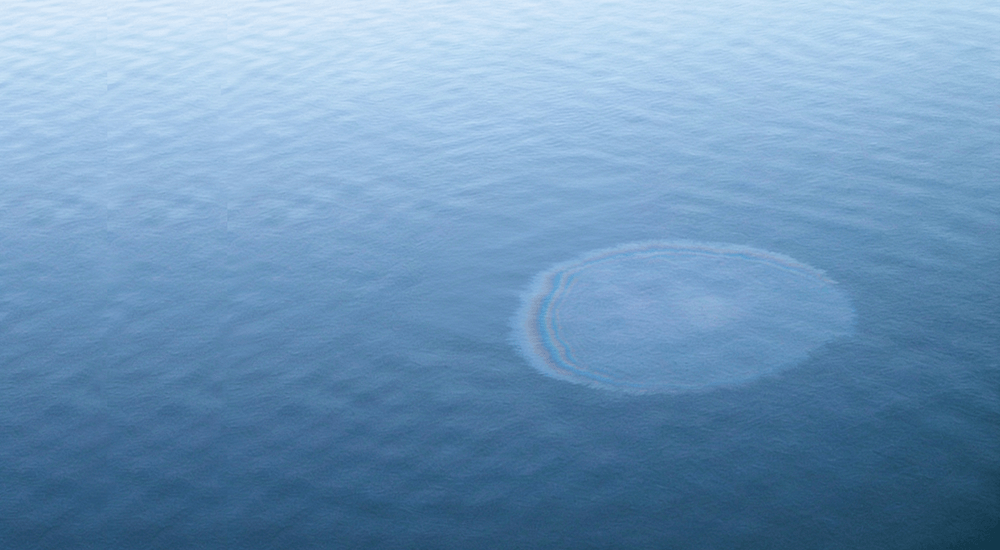
- Spill response

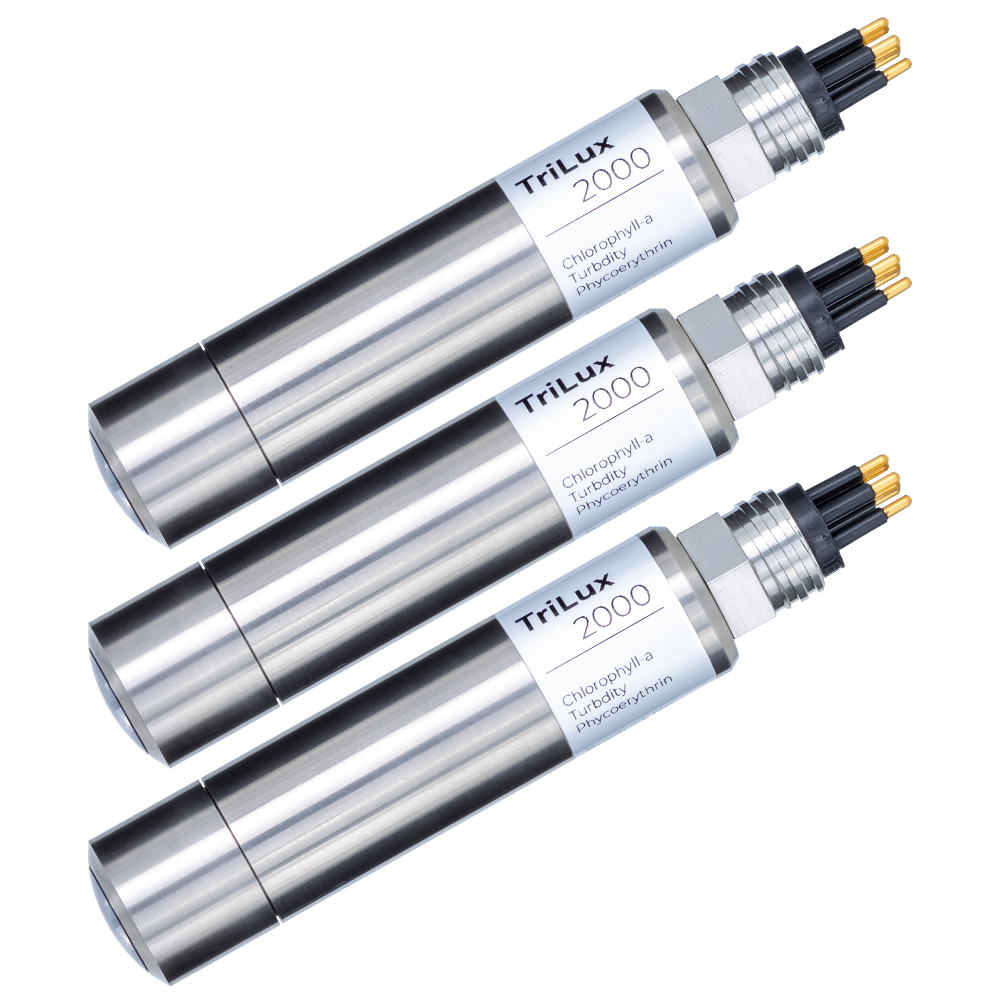
TriLux
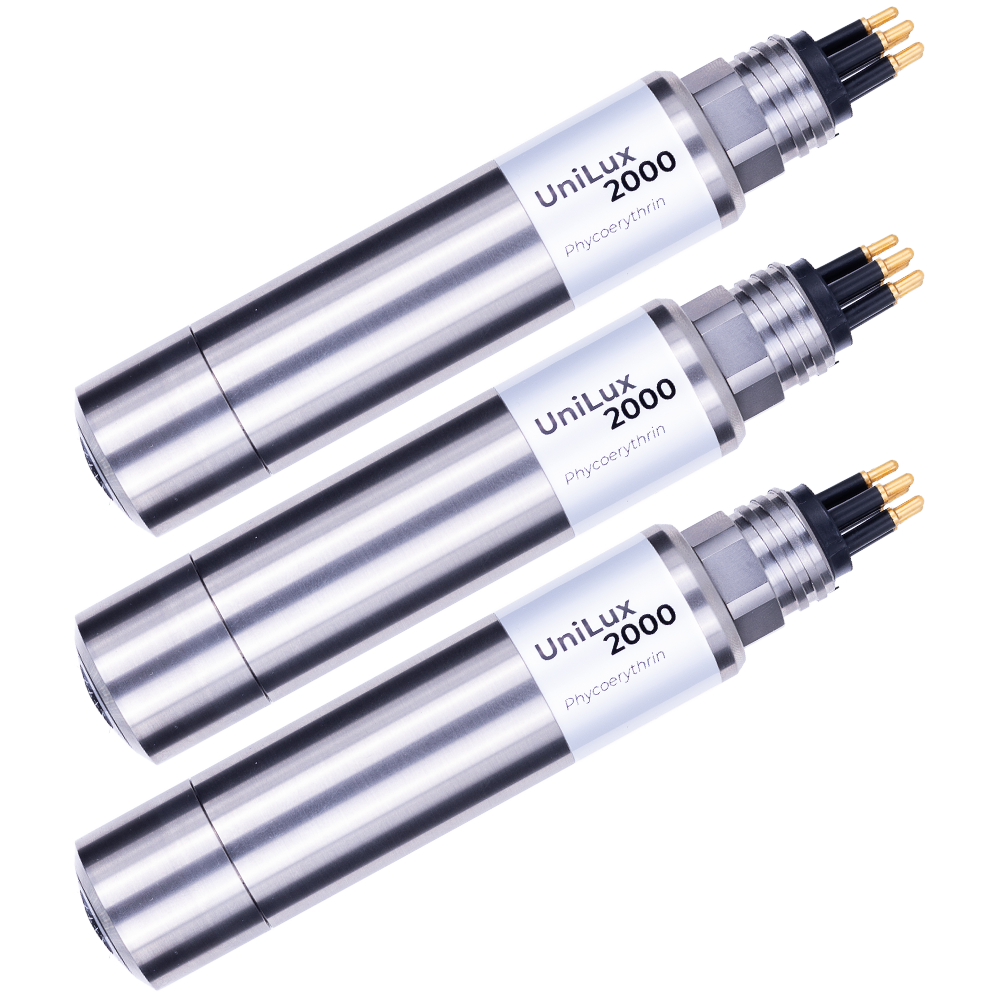
UniLux